African students in St. Petersburg launch an interuniversity French conversation club
In St. Petersburg, a new student project — a French conversation club — has been launched. The first meeting, timed to coincide with the International Day of La Francophonie, brought together students from more than 10 countries at the InterClub.
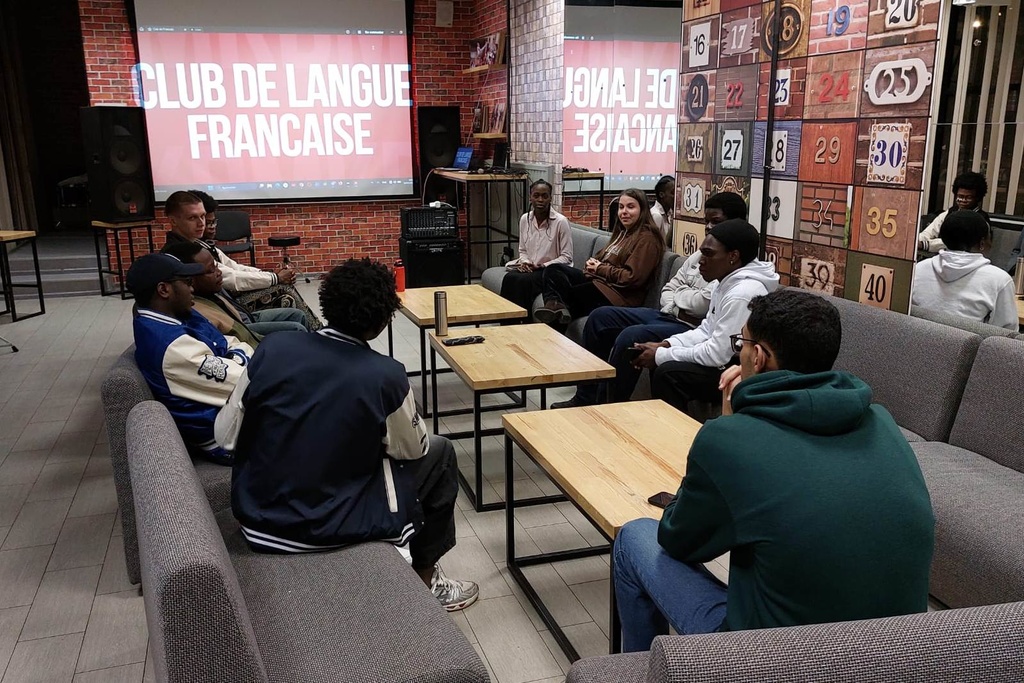
The project is implemented by the International Friendship Club of St. Petersburg in cooperation with the Council of Regional Associations of Peter the Great St. Petersburg Polytechnic University (SPbPU). The opening of the club has become a vivid example of young people from different nationalities uniting around the French language — one of the key languages of international communication and one of the main languages of Africa.
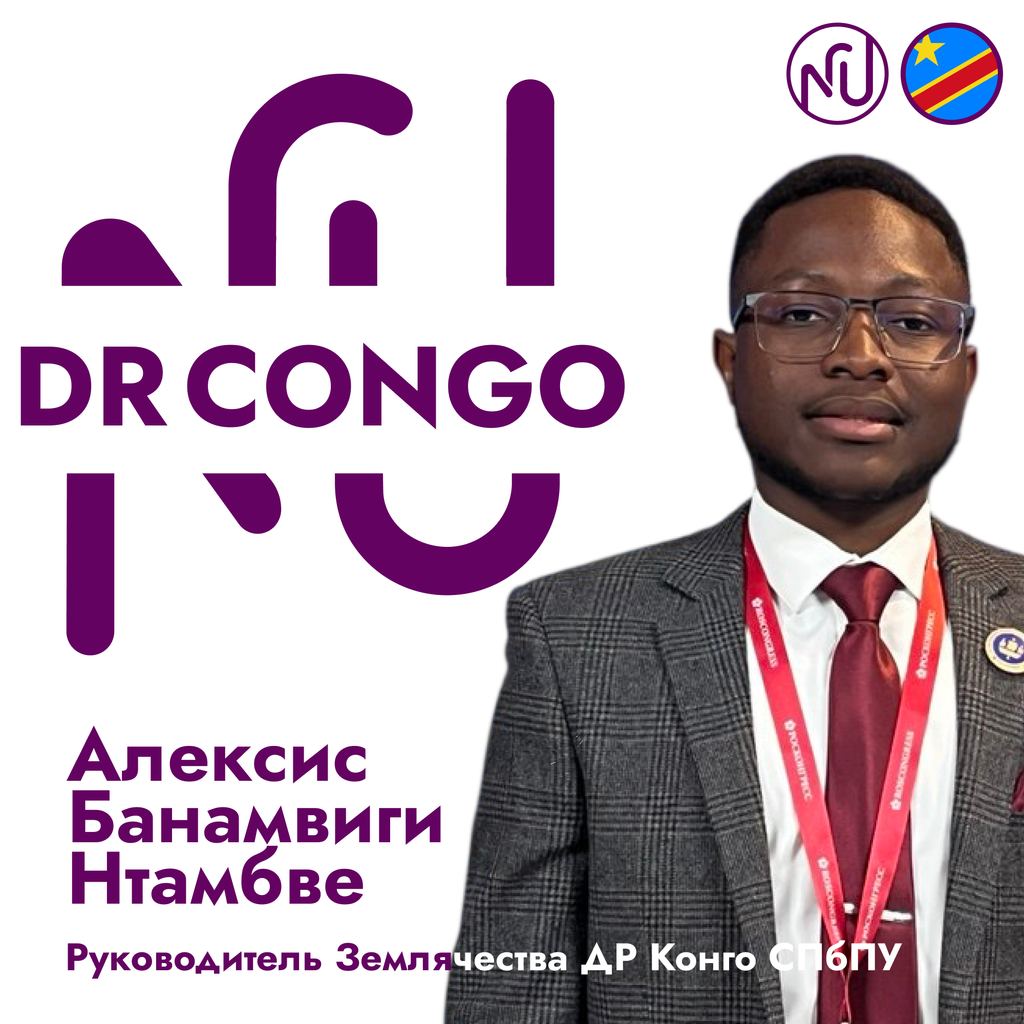
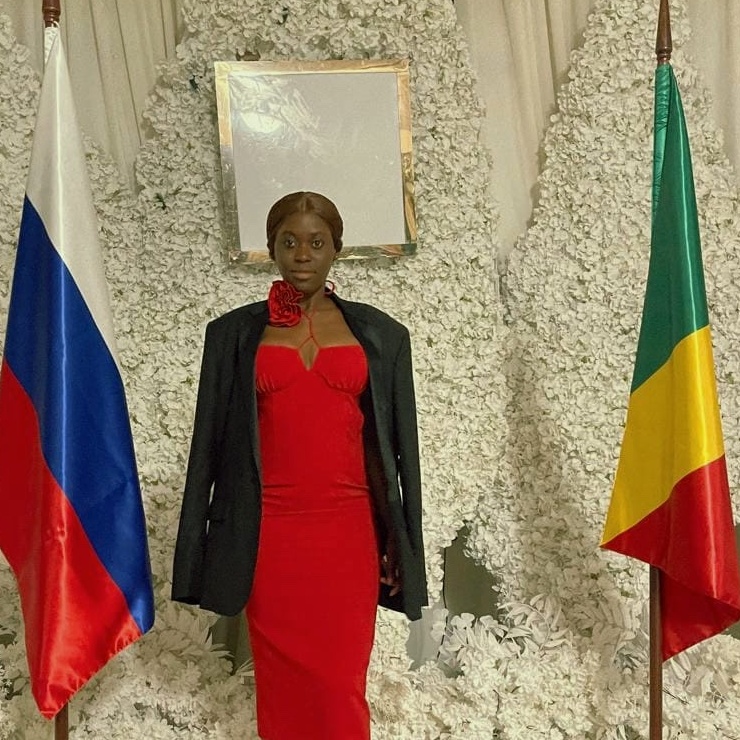
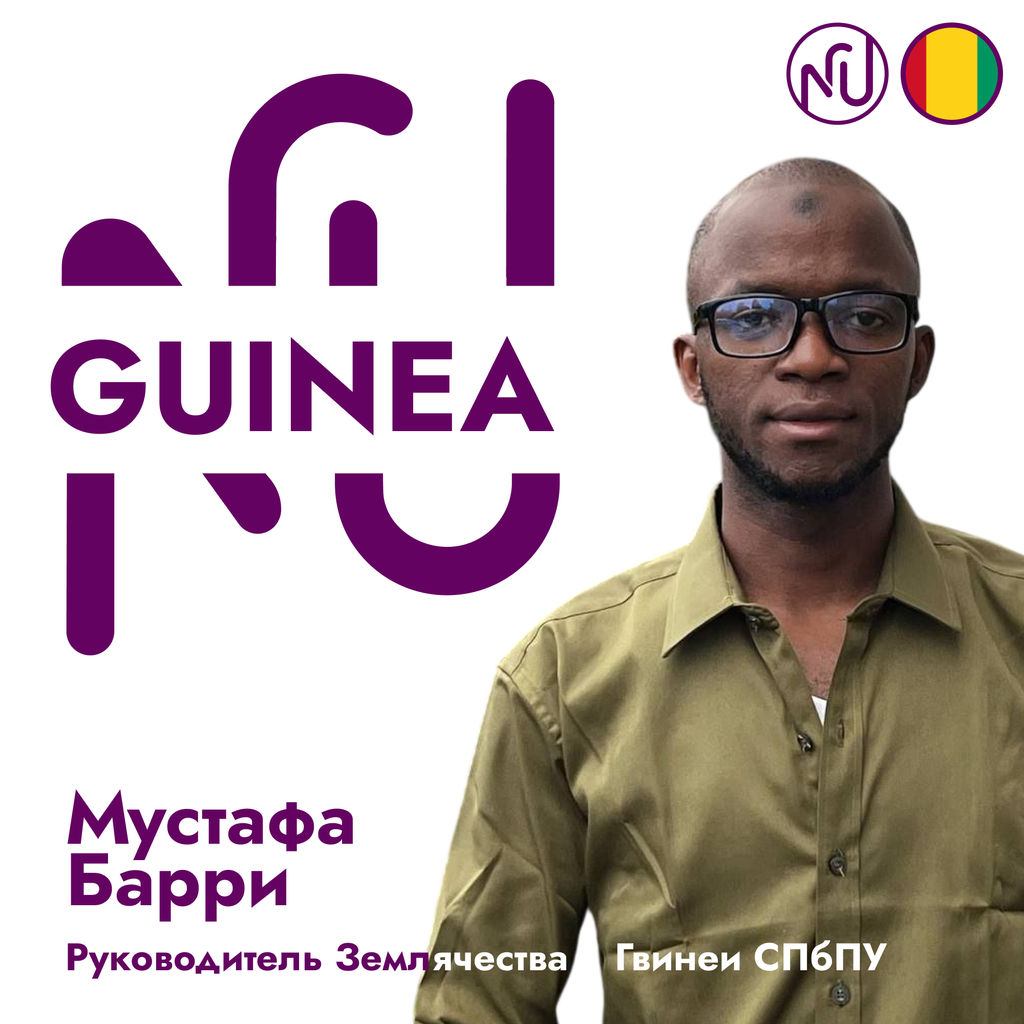
The club was created with the active support of the leaders of the African countries' regional associations at SPbPU. The initiative came from Mustafa Barry, head of the Guinean Association at SPbPU, Alexis Banamvigi Ntambwe, head of the DRC Association at SPbPU, as well as Iyiki Tchiba Pol Séphora, a student at SPbGUPTD from the Republic of Congo. Staff members of the Project Office of RAFU were also invited to the event.
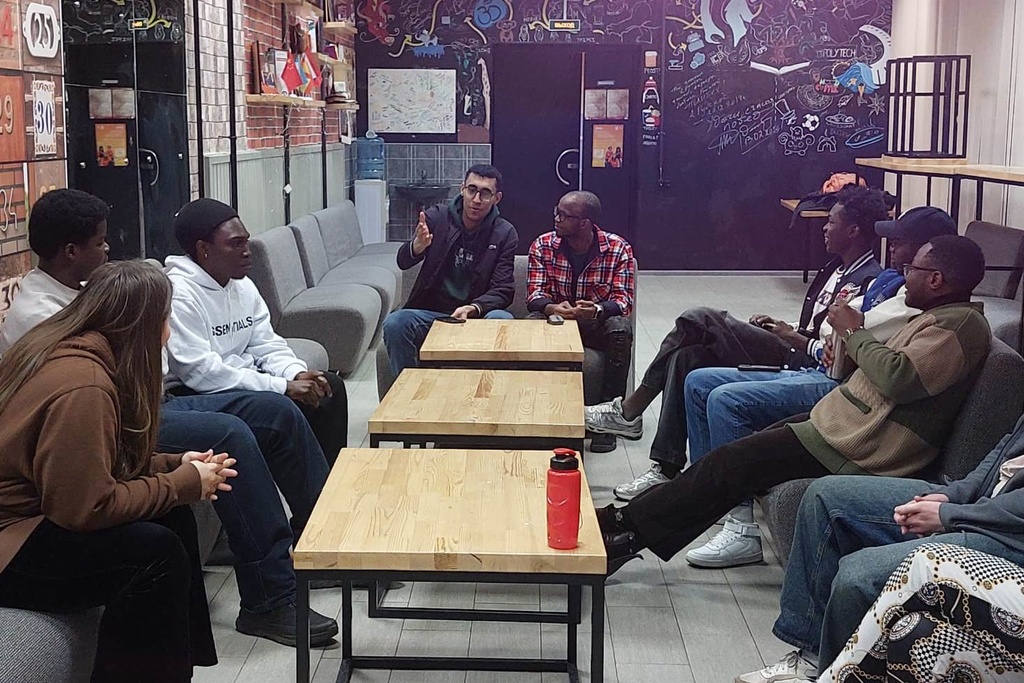
The first meeting of the club took place on March 19 at the InterClub space of SPbPU. Participants in the event included students from Guinea, the DRC, Congo, Cameroon, Senegal, Niger, Chad, Egypt, France, and Russia. The range of universities represented was also extensive: in addition to students from Peter the Great St. Petersburg Polytechnic University and St. Petersburg State University of Industrial Technologies and Design, students from St. Petersburg State Pediatric Medical University and St. Petersburg State Electrotechnical University "LETI" named after V.I. Ulyanov (Lenin) took part in the discussions.
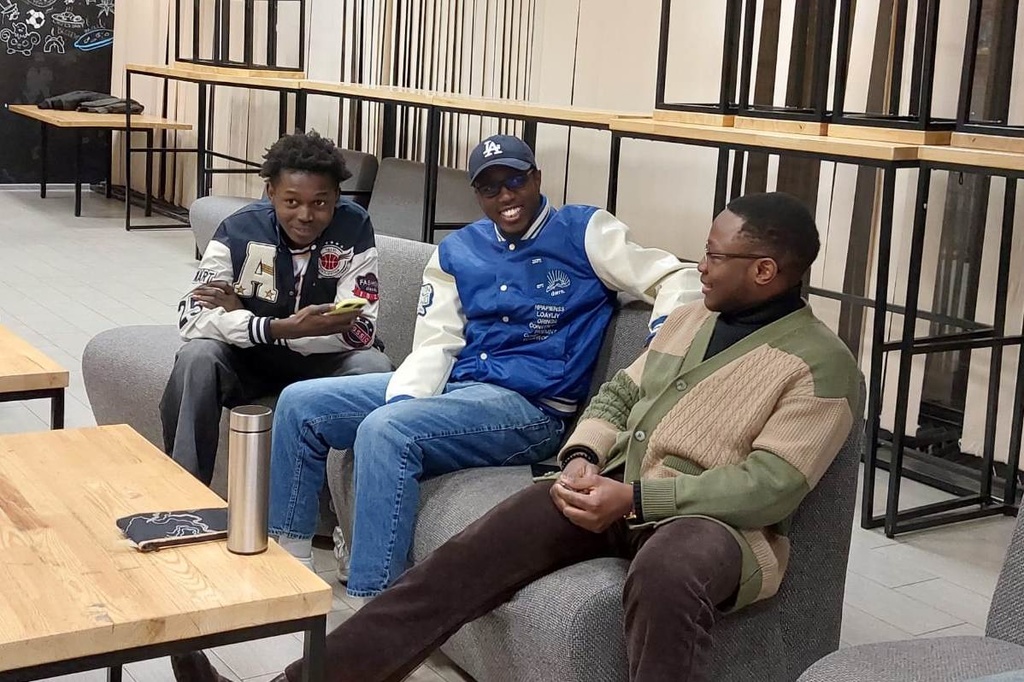
The opening program of the club went far beyond a simple conversation workshop. Students delved into the history of the spread of the French language in Africa — from the mid-17th century in Senegal and the colonial era to the creation of the International Organization of La Francophonie (OIF) in 1970 in Niamey (Niger).
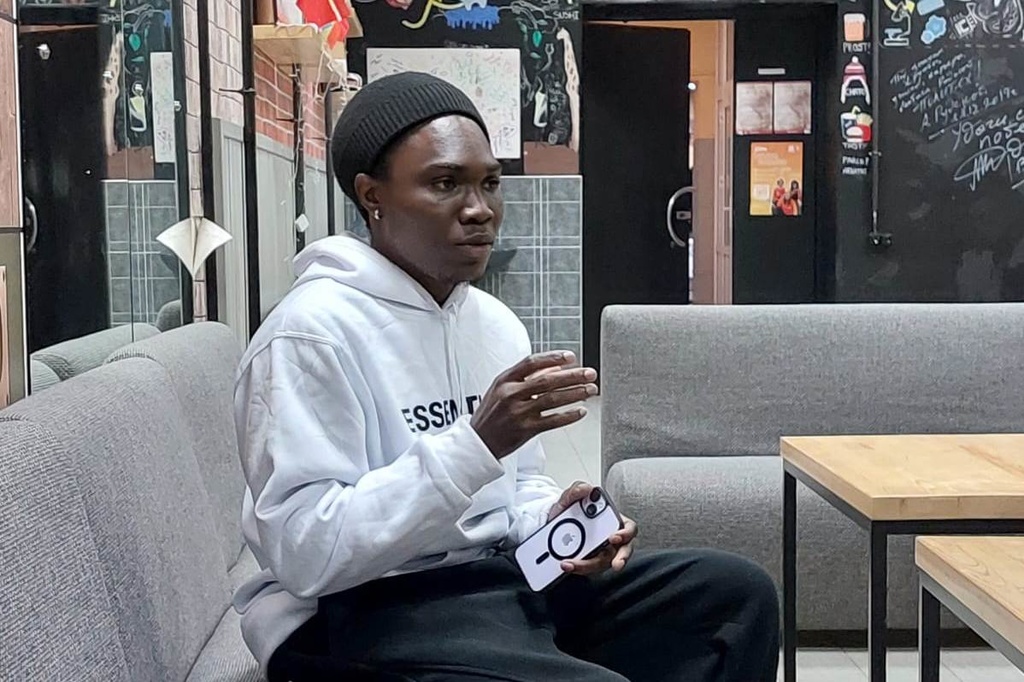
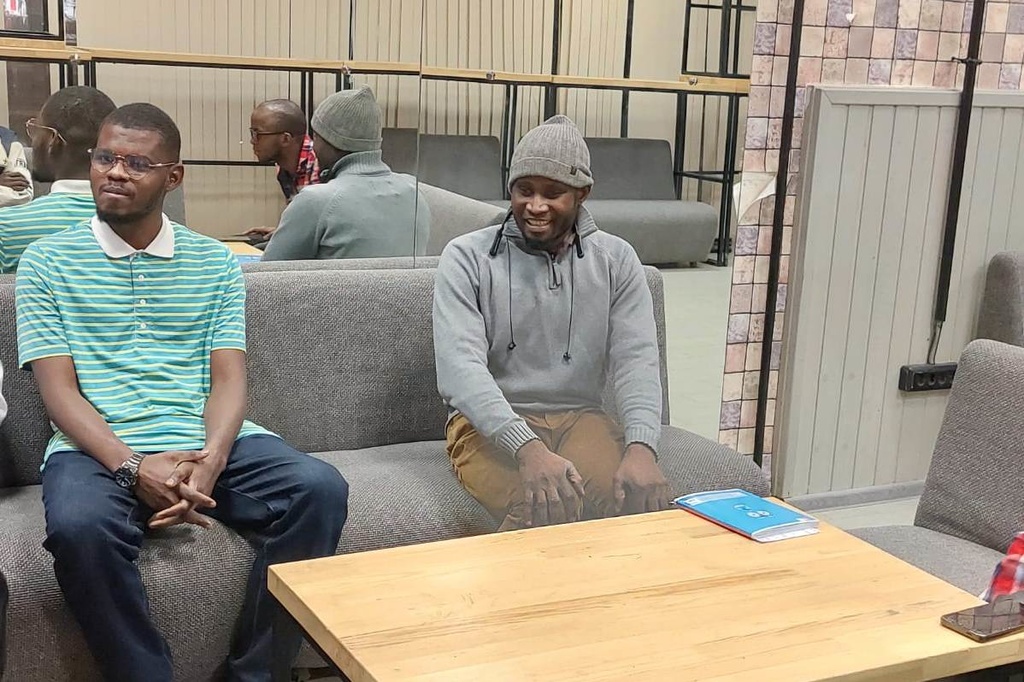
The discussion of the legacy of the founders of La Francophonie — Léopold Sédar Senghor (Senegal), Habib Bourguiba (Tunisia), Hamani Diori (Niger), and Norodom Sihanouk (Cambodia) — drew particular interest from the audience. Participants noted that today the French language plays a key role in Africa, serving as a lingua franca for interethnic communication, as well as being the language of education, administration, and business. The organizers emphasized that French ranks fourth in the world in terms of prevalence, with approximately 396 million speakers, 65% of whom live in Africa.
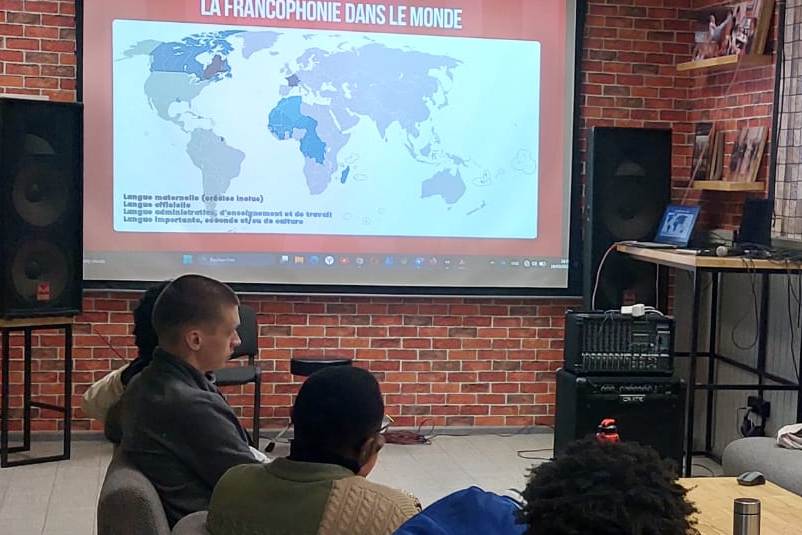
During the meeting, students not only practiced the language but also shared stories about the native languages of their countries. Discussions covered issues of bilingualism in Cameroon, the influence of the Arabic language in Chad, as well as the shared cultural heritage of the Bakongo people and the Kikongo language, which is widespread in the DRC, the Republic of Congo, and Angola.
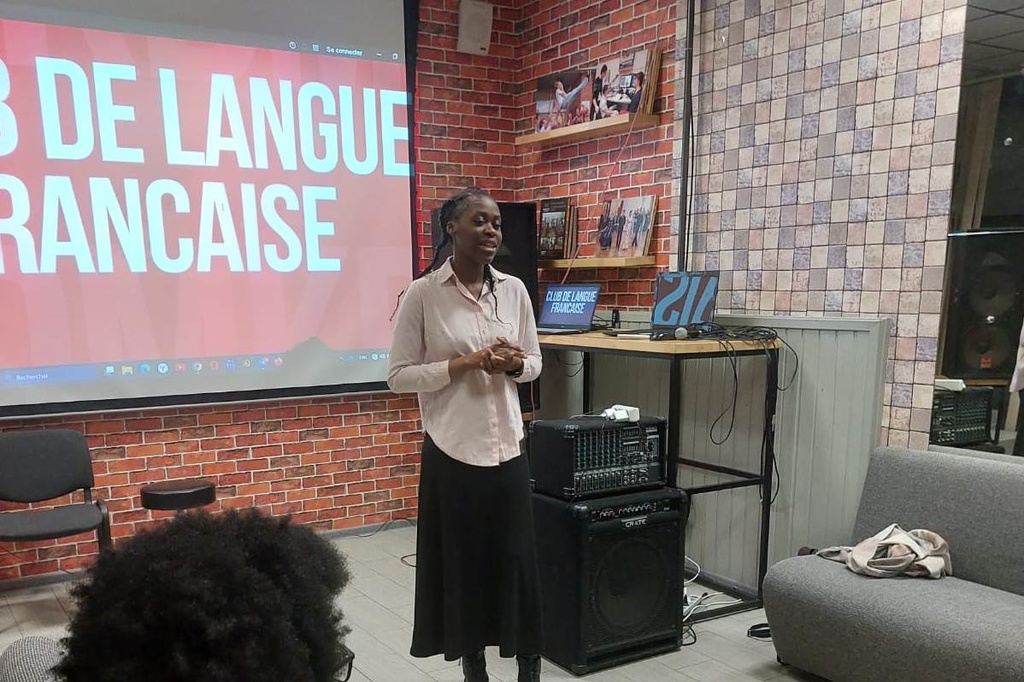
"The conversation club is a space where you can communicate freely, meet new people, and discover the culture of French-speaking countries," shared organizer Iyiki Tchiba Pol Séphora. "A space to support international students, build self-confidence, express yourself freely, and meet people who share a love of the French language."
The conversation club will continue its work on a regular basis. Participants can look forward to lively discussions, interactive games, intercultural exchange, and, of course, a friendly atmosphere. All students of the city of St. Petersburg who wish to communicate in their native language, improve their French, or expand their circle of friends are welcome to join the project.