RAFU at the round table «Africa in the focus of Russian foreign policy and economic priorities» at St. Petersburg State University of Economics
On November 26, 2025, a round table discussion was held at St. Petersburg State University of Economics, organized jointly with the Science and Education Working Group of the Petersburg Dialogue Forum. For the Russian-African Network University Consortium (RAFU), which includes some of the universities present—SPbPU, RUDN, the Institute of Africa of the Russian Academy of Sciences, and UNECON—the event was an important step in expanding expert dialogue and coordinating academic initiatives in Africa.
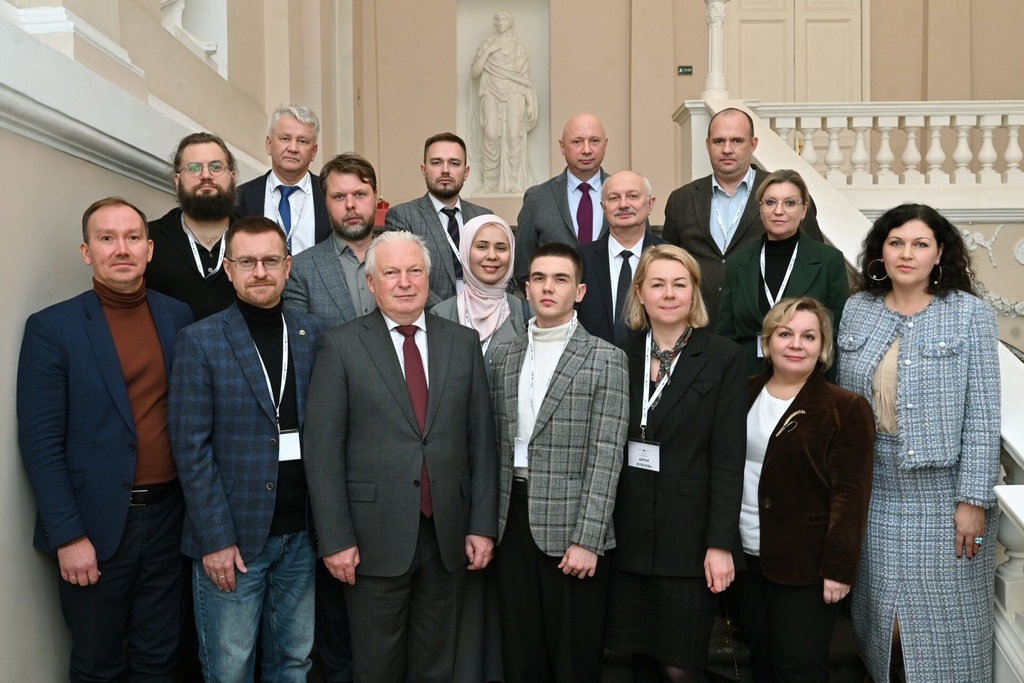
Representatives of the relevant department of the Russian Foreign Ministry, the Committee on External Relations of the Government of St. Petersburg, Africanists from the Russian Academy of Sciences and leading Russian universities, political scientists, business experts, and journalists took part in the discussion. The central topics of discussion were an analysis of the damage caused to African countries by the period of colonial rule, as well as the opportunities for Russian higher education and science to contribute to their socio-economic development.
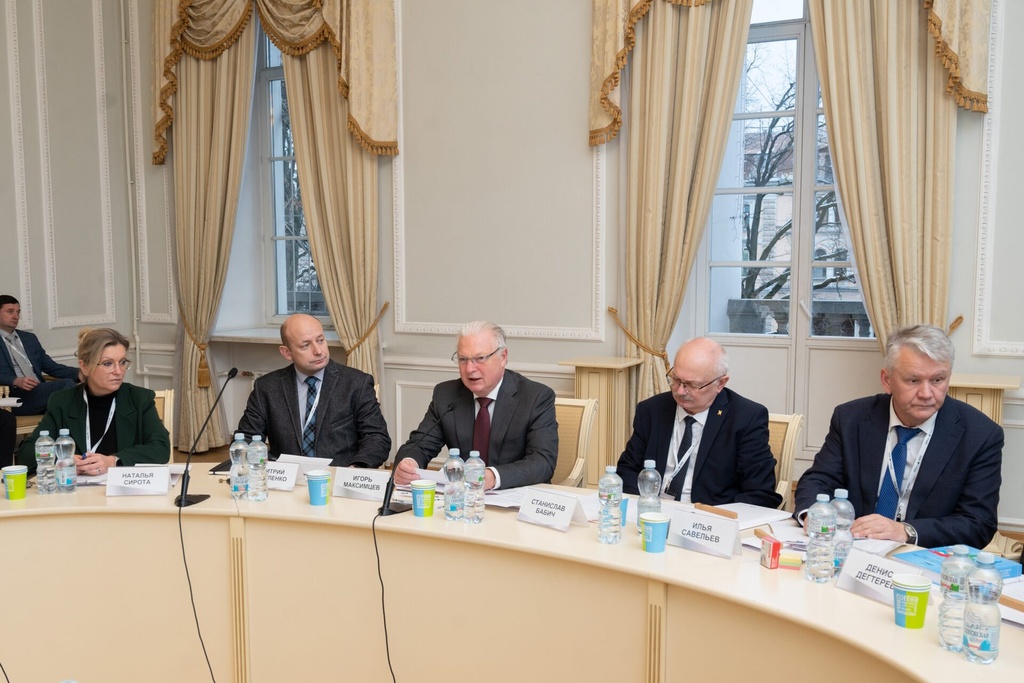
Igor Maksimtsev, Rector of St. Petersburg State University of Economics and head of the Science and Education Working Group of the St. Petersburg Dialogue, emphasized the need for systematic, long-term cooperation with Africa. He noted that modern partnerships go beyond the humanitarian agenda and are aimed at forming equal economic and technological ties, with universities becoming key centers of expertise.
«The walls of St. Petersburg State University of Economics once again hosted an event that brought together leading experts on Africa, representatives of academic circles, and business communities. This meeting reflects the growing need for systematic dialogue that overcomes not only political and economic barriers, but also stereotypes in the perception of mutual obligations. It is important that the partnership goes beyond humanitarian aid, focusing on equal technological and economic cooperation. The experience of platforms such as the St. Petersburg Dialogue, as well as subsequent discussions on energy and artificial intelligence, demonstrate Russiaʼs readiness for multi-format interaction. Todayʼs discussion aims to bring together humanitarian, economic, and political aspects, creating a foundation for sustainable and mutually beneficial relations with African countries,» said Igor Maksimtsev, Rector of St. Petersburg State University of Economics.
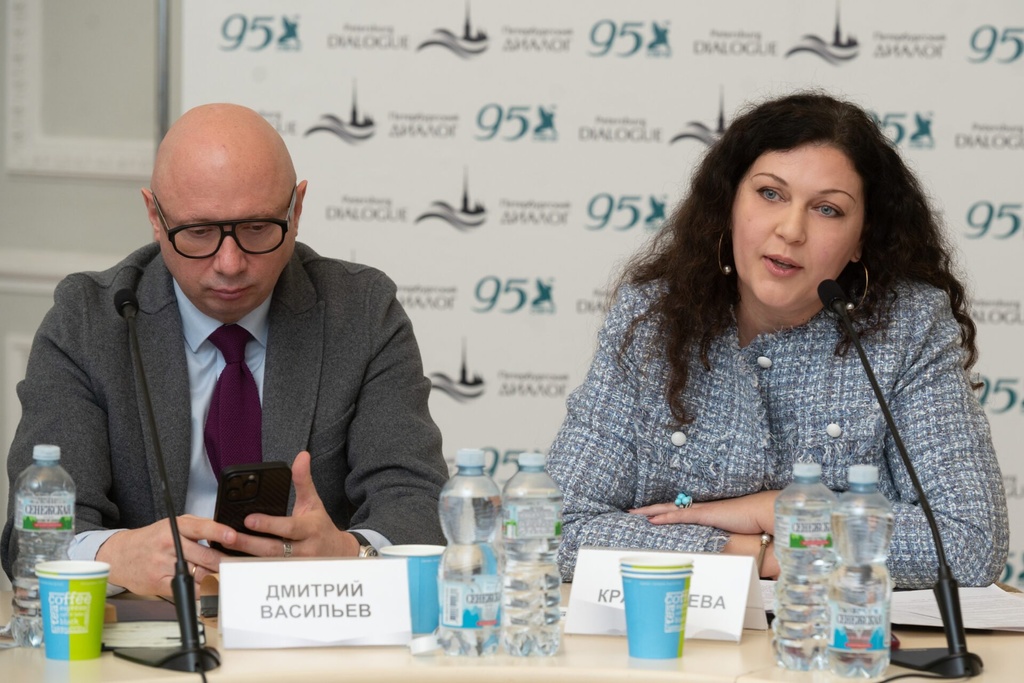
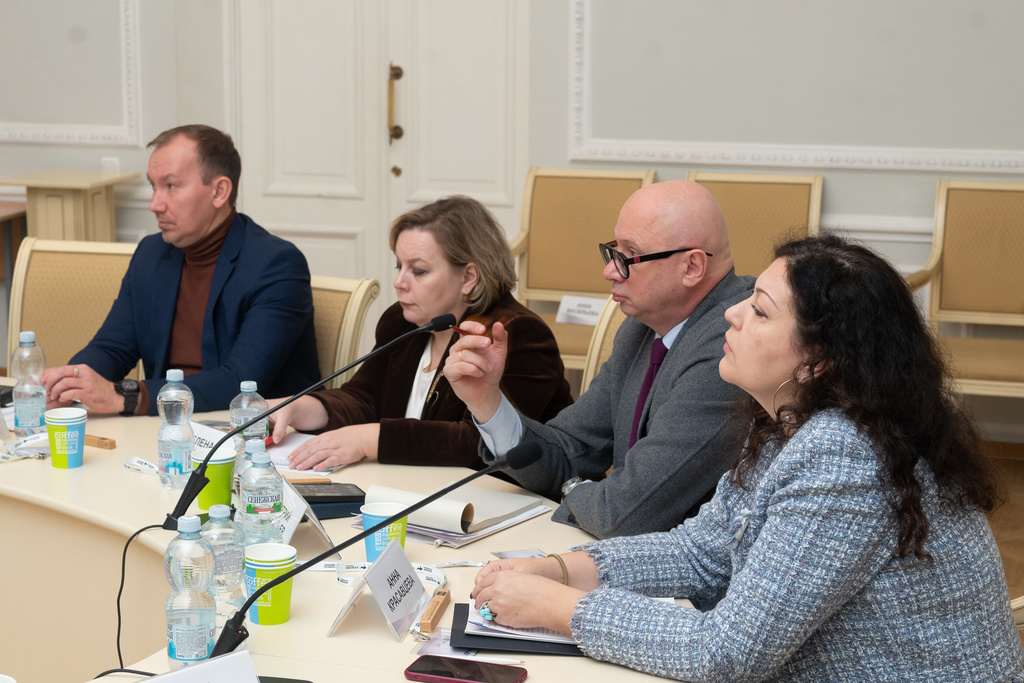
Artem Kozvonin, Head of the Department for Partnership with Africa at the Russian Ministry of Foreign Affairs, and Anna Krasavtseva, Chief Specialist of the Foreign Economic Activity Project Control and Coordination Division of the Foreign Economic Cooperation Department of the St. Petersburg Committee for External Relations, outlined the priorities for further work: the development of joint research projects, the expansion of humanitarian programs, and the strengthening of academic mobility and language training.
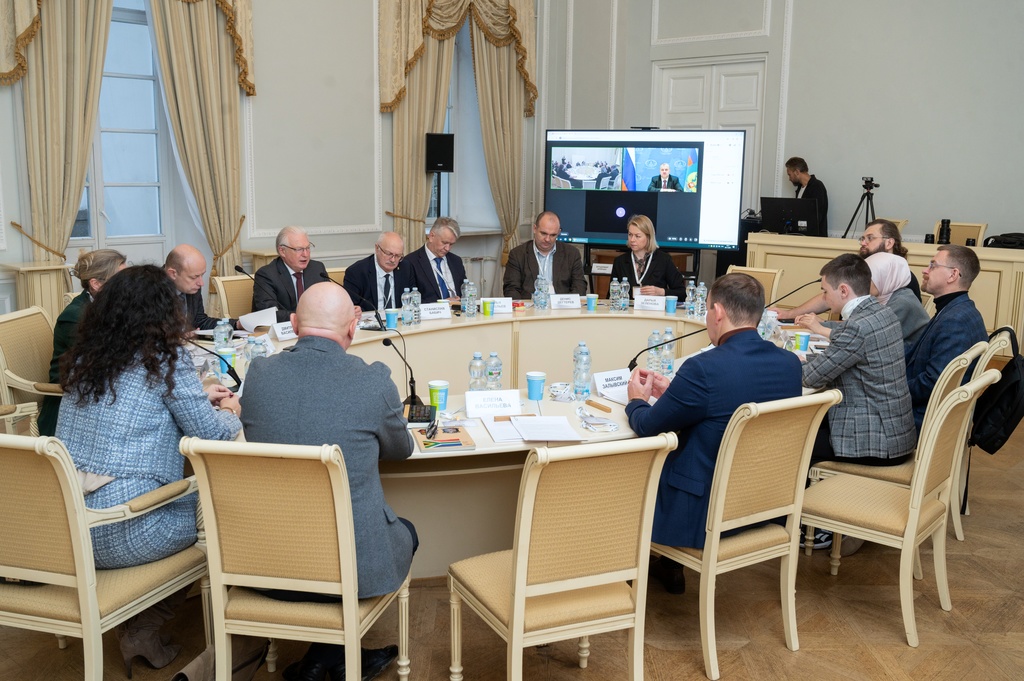
Scientists from UNECON presented the results of their research on the social and economic aspects of African countries' development, emphasizing the need to transition to strategic alliances based on comprehensive technological and infrastructure solutions, as well as institutional integration through formats such as BRICS.
Expert reports by staff members of the Institute of African Studies of the Russian Academy of Sciences and the Center for African Studies at the National Research University Higher School of Economics revealed current trends in the politics and economics of African regions and presented the results of long-term research and analytical work.
Representatives from RUDN University, Saint Petersburg State University, and UNECON discussed issues related to the training of African students, language adaptation, the promotion of the Russian language, and the expansion of educational programs for countries on the African continent.
RAFU, represented by Maxim Zalivsky, head of the project office, presented the experience of network integration of Russian universities and expert centers, emphasizing the role of the consortium in forming a sustainable academic infrastructure for cooperation with African partners.
The event concluded with an analytical session on how African youth consume news content and use international social networks for learning, communication, and professional growth.
The participants agreed to continue joint research and educational work, develop humanitarian ties, and present the results of their activities at future expert forums.