The future of fish farming in Uganda could soon be reshaped in a university laboratory
At the International University of East Africa (IUEA) in Linja, researchers are partnering with Vologda State University in Russia to develop an Artificial Intelligence (AI)-powered fish farming system aimed at increasing yields, cutting costs, and improving sustainability.
 Vologda State University has been an active participant of RAFU since 2025. Information about the visit of the Ugandan delegation to Russia can be found in last year’s news article.
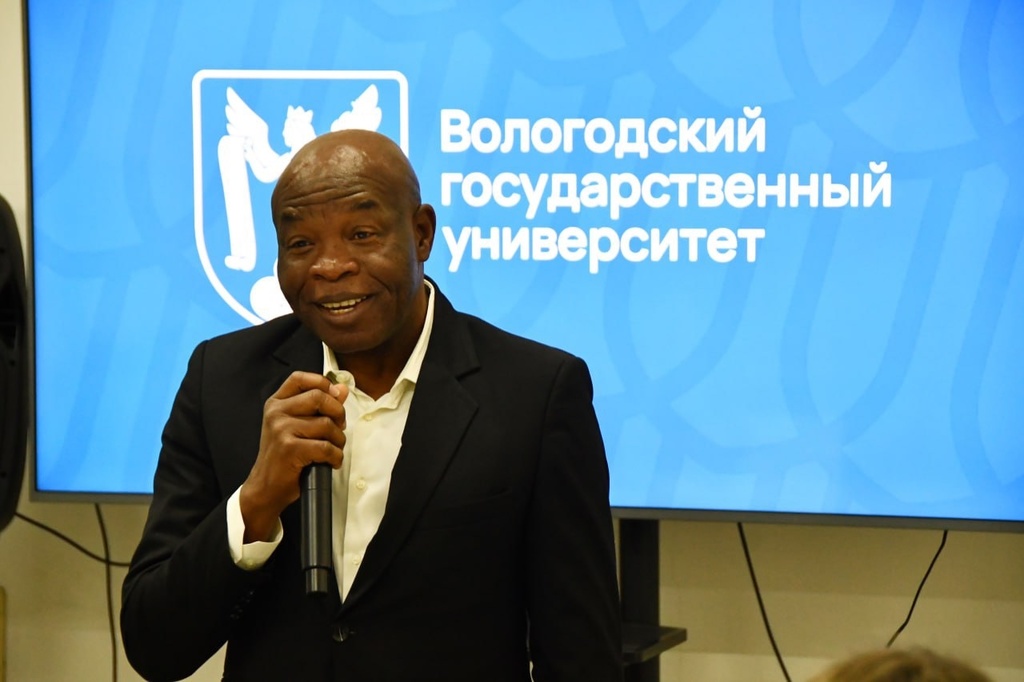 “This partnership with Vologda State University of Russia is more than an exchange of expertise. It is a commitment to transform Uganda's food systems using technology that is locally relevant but globally competitive,” said Prof. Emeka Akaezuwa, IUEA’s vice-chancellor.
The three-year research programme supports the university’s goal of applying “our technical expertise to solve real-world problems — national, regional or global,” while strengthening ties with leading international institutions.
“We want our farmers to benefit from the same innovations that are shaping food production in the leading economies,” Prof. Akaezuwa added.
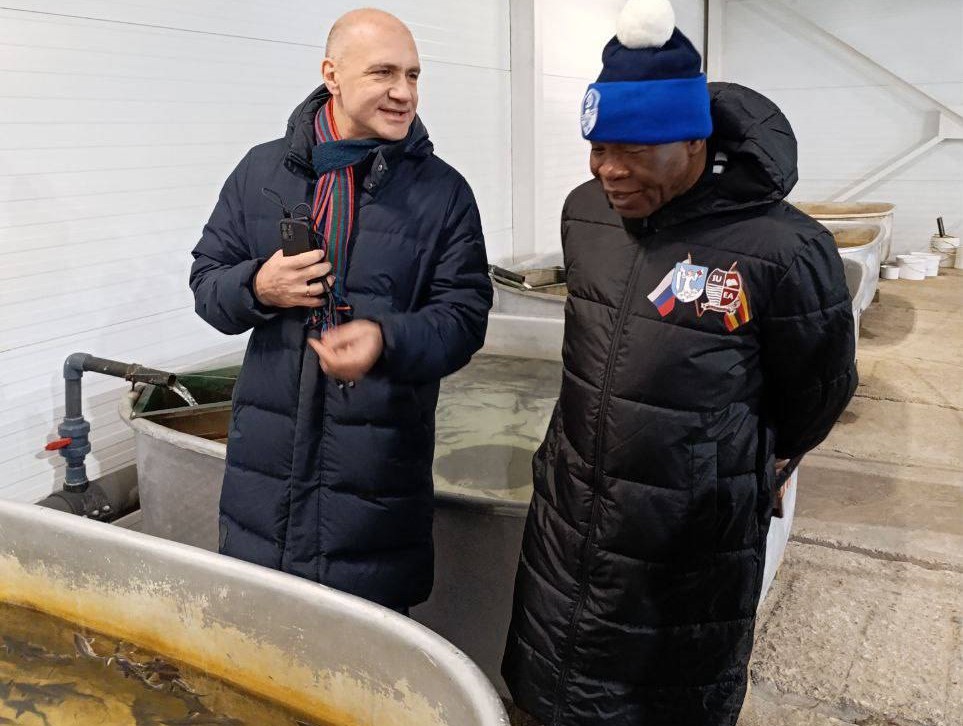 The project, launched last year, brings together seven Russian researchers and nine from IUEA, including staff and students. It seeks to develop an adaptive AI system that can improve fish farming in both cold and warm water, introduce new AI models, and expand Uganda’s use of AI-driven farming methods.
“The research is for three years, with the option of extending it. We intend to develop an adaptive AI system that will revolutionise fish farming worldwide… and boost Uganda's fish farming by introducing new, improved, AI-driven farming methods,” Akaezuwa said.
 The initiative comes as experts warn that declining fish stocks in Lake Victoria and other water bodies threaten the sector, despite government efforts under Vision 2040 to make fisheries a key driver of employment, food security, and foreign exchange.
Experts have welcomed the technology-driven approach, saying that if it helps raise production amid dwindling catches, it will strengthen the industry.
Although aquaculture is progressing, illegal fishing practices continue to undermine the sector, with some factories reportedly closing. Uganda is targeting about one million tonnes from aquaculture and is increasing fingerling production to meet that goal.
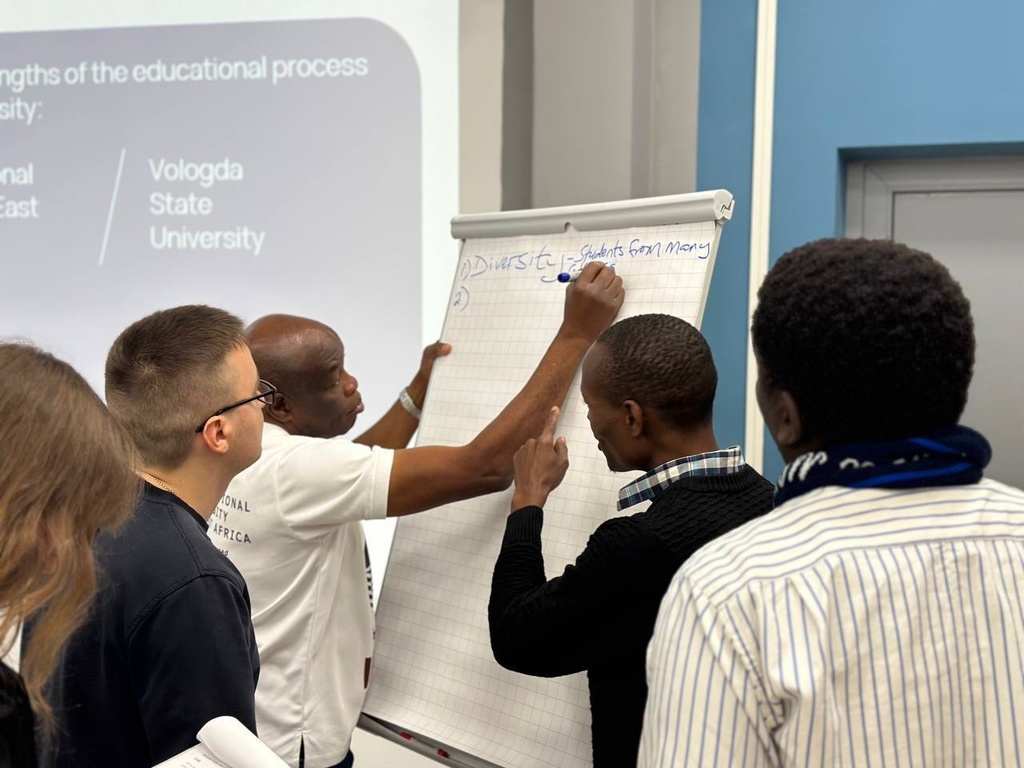 At the IUEA innovation hub, students are tracking the research while building prototypes such as aquatic sensors and automated feeding systems.
“This is when everything we learn in class becomes real. We're not just studying technology; we are building the future of farming. AI can change everything from feeding patterns to early disease detection. Knowing that our work could impact local farmers is incredibly motivating,” one student said.
Source of the news: issue of National News magazine of Uganda, 17.02.2026.