Training for specialists from Guinea held in Sevastopol within the LMU RAFU
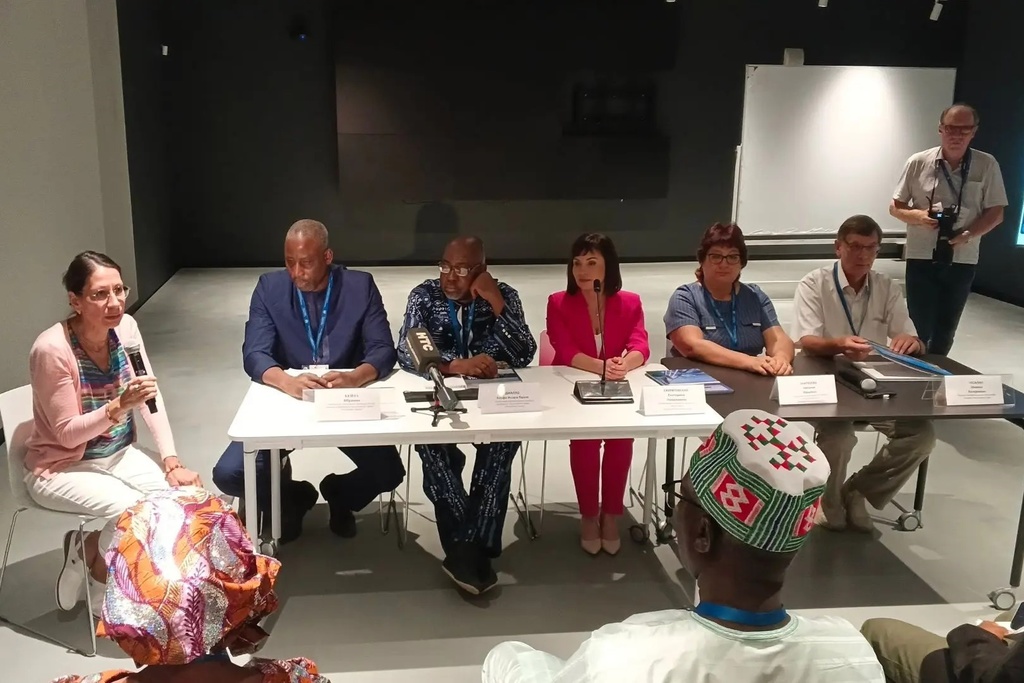
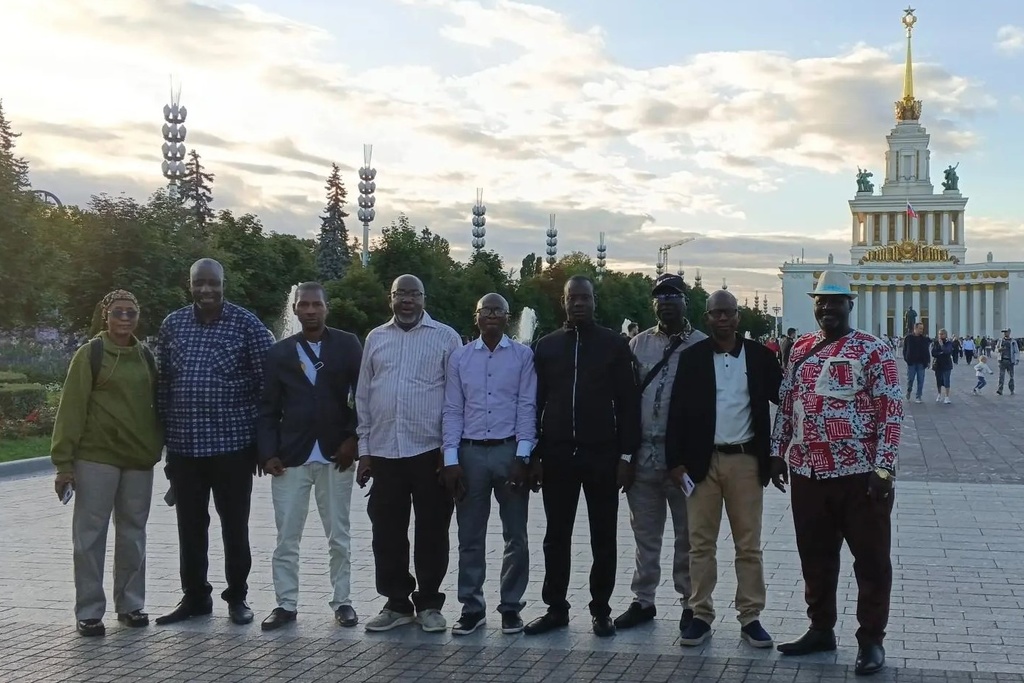
Sevastopol hosted the educational track "Environmental Problems and Sustainable Development in Africa (Innovative Solutions)," organized by the Kovalevsky Institute of Biology of the Southern Seas of the Russian Academy of Sciences (FRC IBSS) within the LMU RAFU 2026. The participants were ten representatives of the Centre for Marine and Coastal Research of Guinea (CEREMAC-G), a leading scientific institution of the Republic of Guinea.
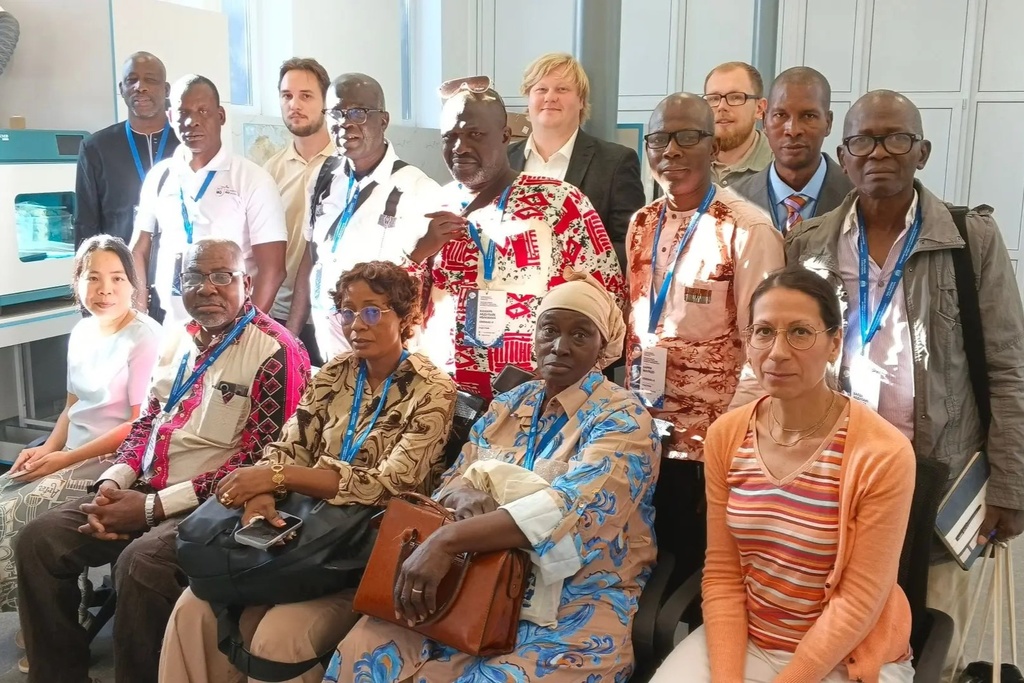 The program, built on already ongoing joint research projects, included two modules. The first — "Landscape Studies of Anthropogenically Modified Ecosystems" — was dedicated to methods for assessing human impact on the natural environment: African colleagues got acquainted with sample preparation for elemental analysis, practiced working with the SHNS elemental combustion system analyzer, and learned about the use of geographic information systems in studies of tropical regions. The second module, "Study of Natural Sources of Vector-Borne Human Diseases," addressed epidemiology issues of the utmost importance for tropical countries: using specific examples, the laboratory methods used by Sevastopol scientists in joint projects with CEREMAC-G were examined.
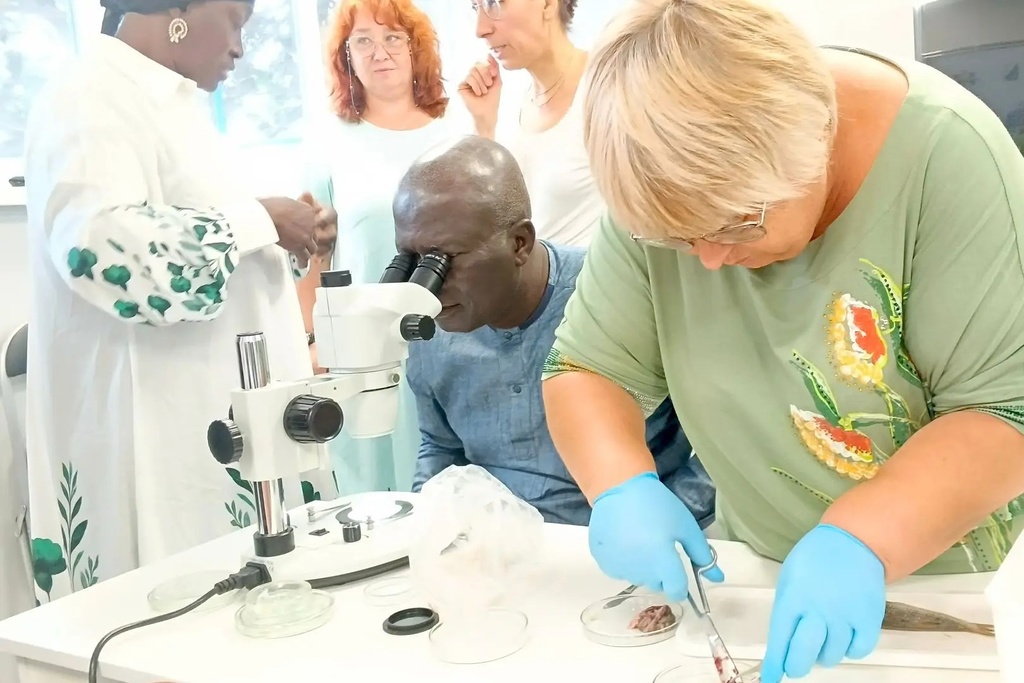
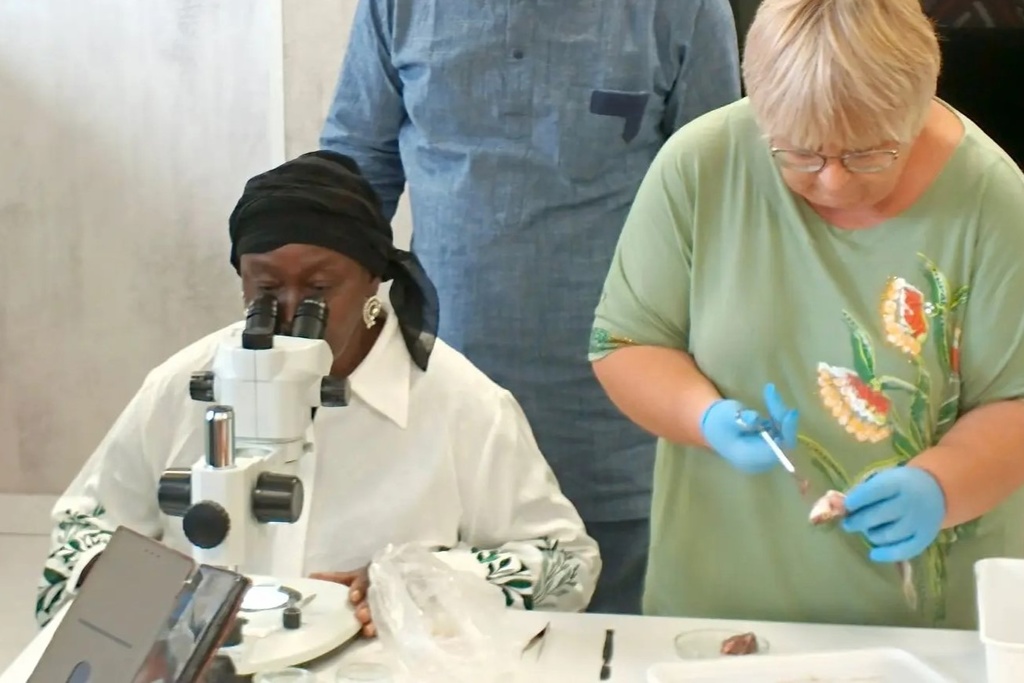
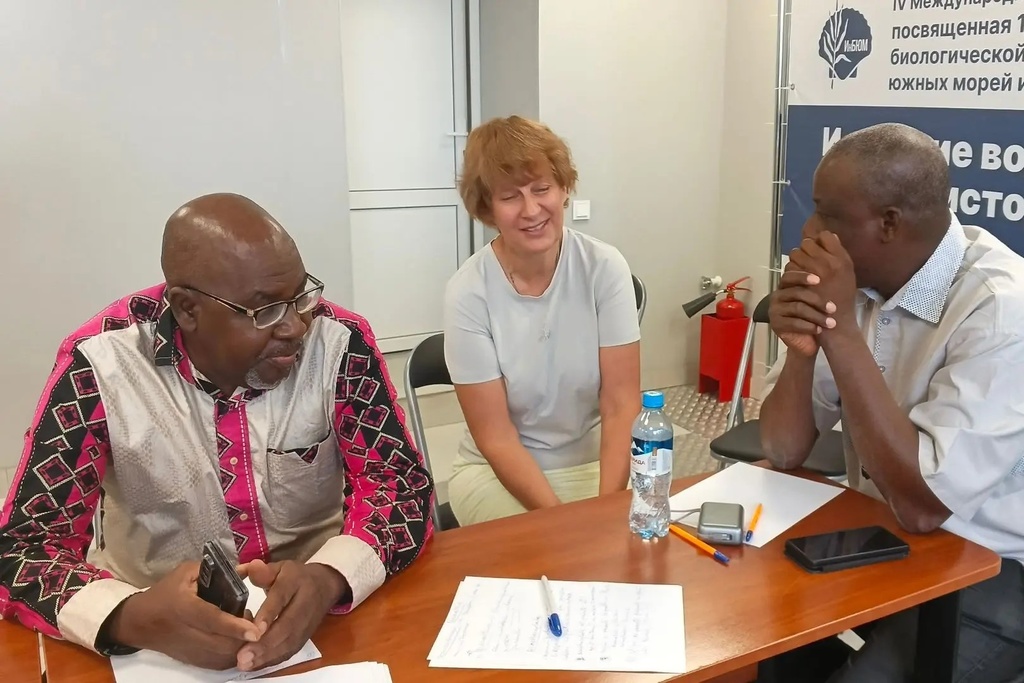
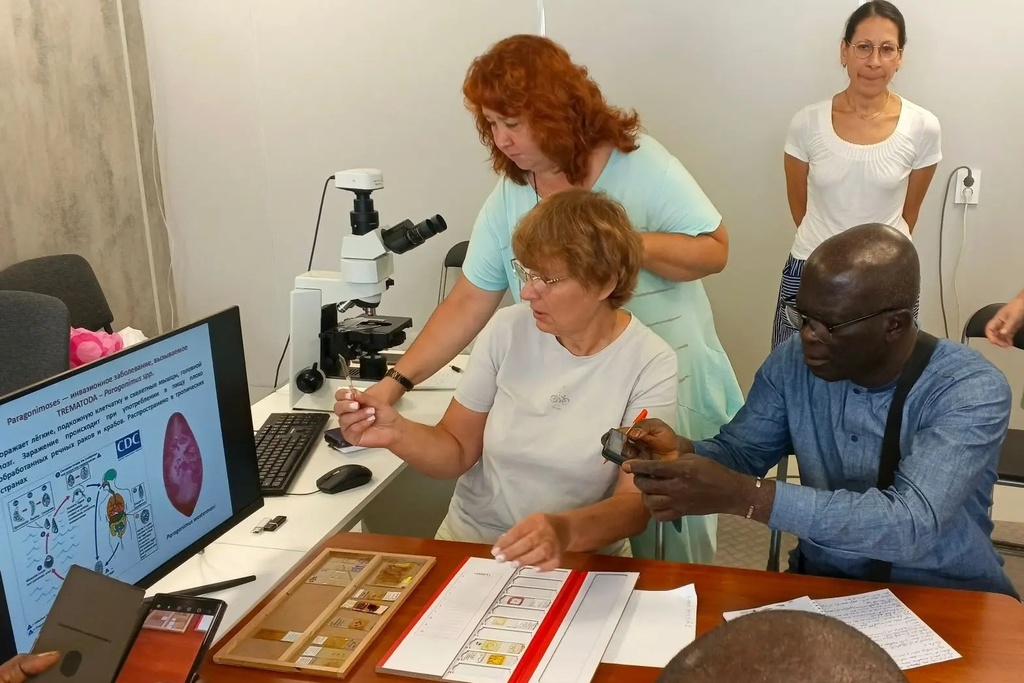
In addition to lectures and seminars, the Guinean specialists visited the research laboratories and the Shared Use Centre of FRC IBSS, as well as an oyster and mussel farm — this allowed them to identify promising areas for further cooperation. The program concluded in Moscow with a visit to the Shirshov Institute of Oceanology of the Russian Academy of Sciences.
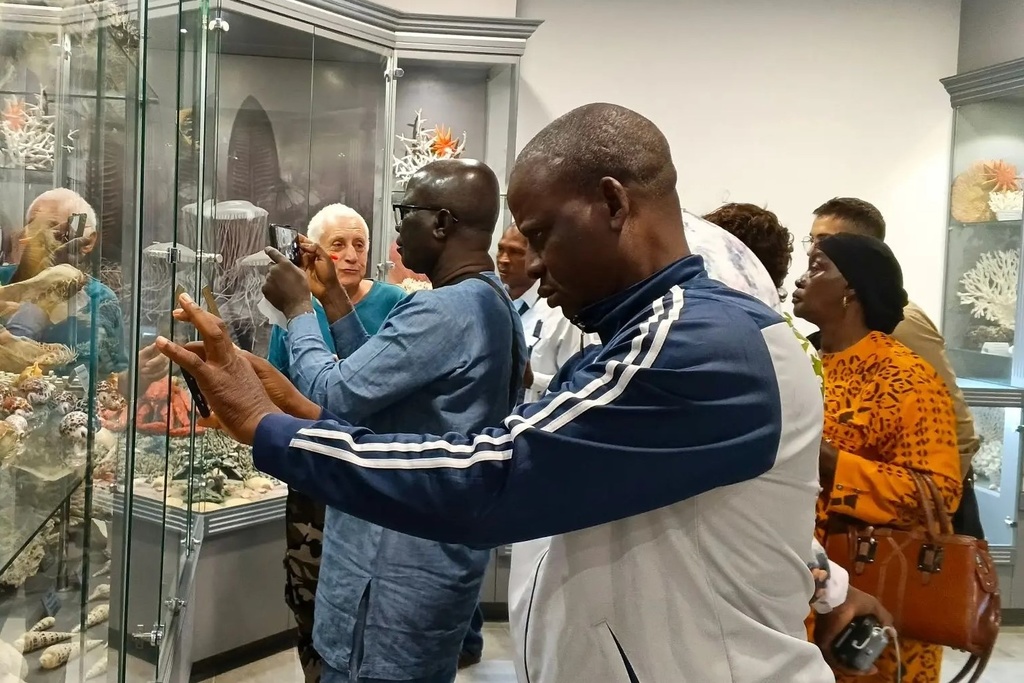
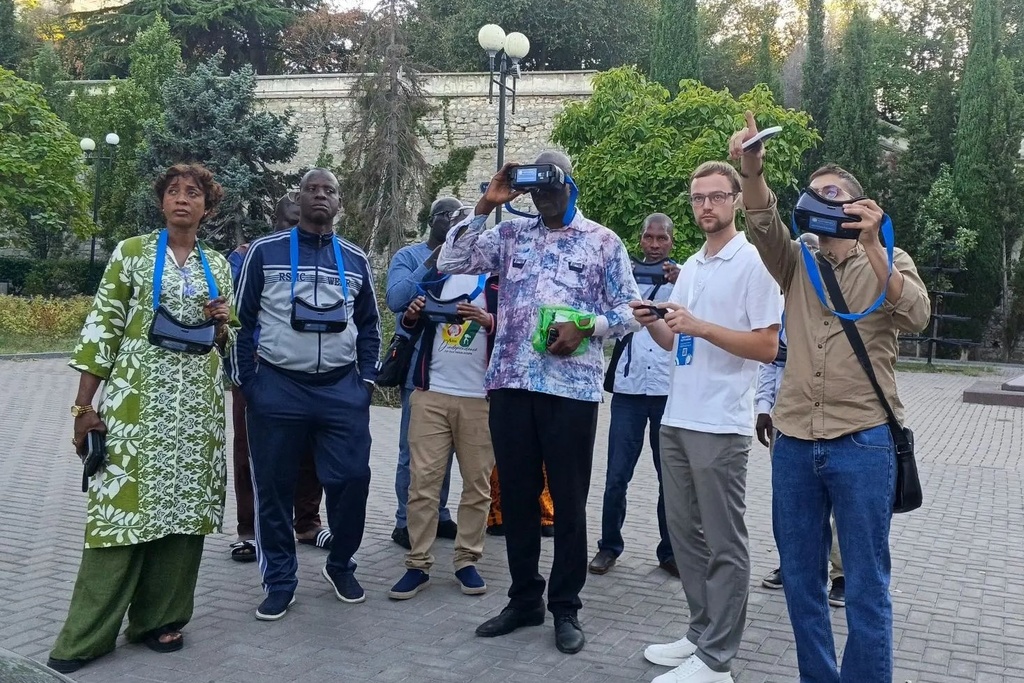
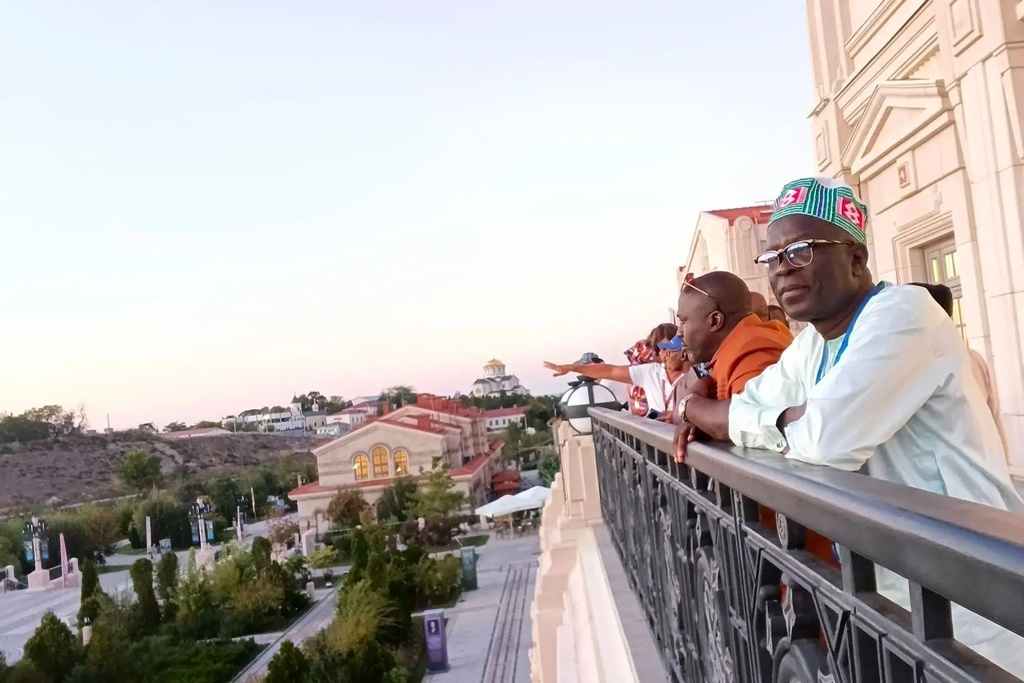
The educational part was complemented by a rich cultural and historical module: the guests explored the heritage of Sevastopol, visited the country's oldest marine aquarium (opened in 1897), the "New Chersonesus" complex, and the Sapun Mountain Memorial with its Diorama, and in Moscow — VDNKh. The city tour was conducted as a walking tour with augmented reality (VR glasses).
 Cooperation between FRC IBSS and CEREMAC-G has a long history, interrupted in the 1990s and revived today. Since 2021, 2 research projects have been completed, and a third is at the implementation stage (2026–2027). Following the visit, the leadership of CEREMAC-G sent an official letter of gratitude to FRC IBSS with a concrete roadmap for further cooperation.