The III International Scientific and Practical Conference of the Russian-African Network University
The Third International Scientific and Practical Conference of the Russian-African Network University (RAFU) Consortium, entitled “The Contribution of Russian and African Universities to Sustainable Regional Development,” was held at Saint Petersburg Polytechnic University. The event was held in a hybrid format and served as a platform for dialogue between representatives of ministries, embassies, Russian and African universities, and research centers.
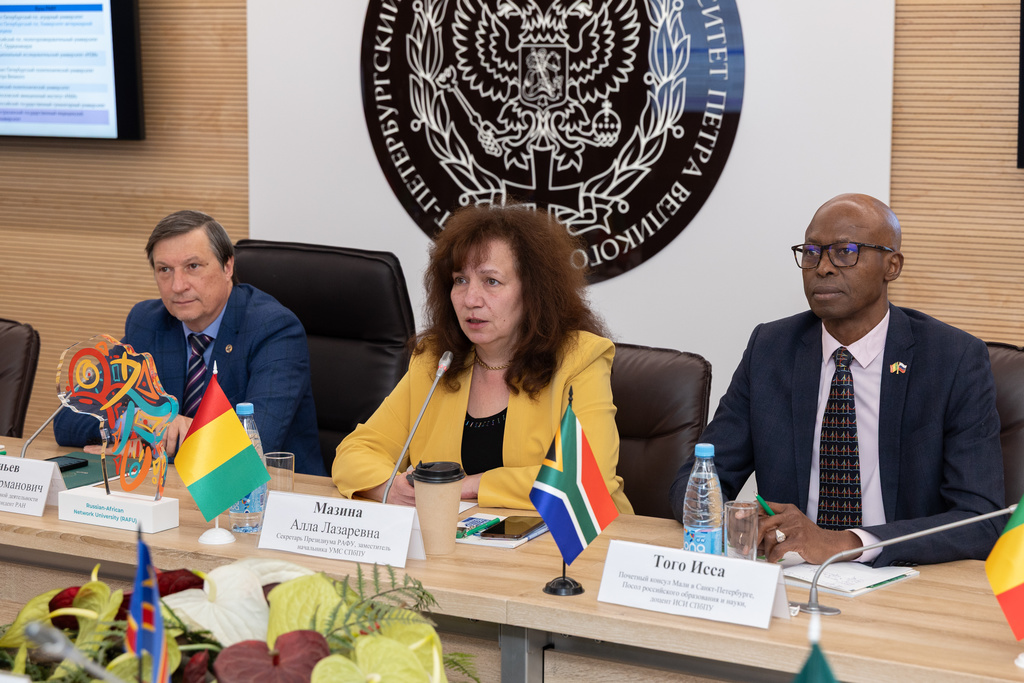
Before the conference began, the Polytechnic University, as coordinator of the RAFU consortium, held a general meeting of RAFU member universities, at which the results of work for 2025 were summarized and plans for the future were outlined.
Stepan Sokolov, Deputy Director of the Department of International Cooperation at the Russian Ministry of Education and Science, addressed the participants with a welcoming speech. He noted the dynamic development of educational cooperation: "Over the past three years, the consortium has expanded significantly. At present, it includes more than 100 Russian and 68 African organizations from 16 countries. This year, 17 organizations from Mali have been added – this is the result of your recent working trip." Sokolov also emphasized the increase in state quotas for African students and the importance of establishing permanent Russian language learning centers on the continent.
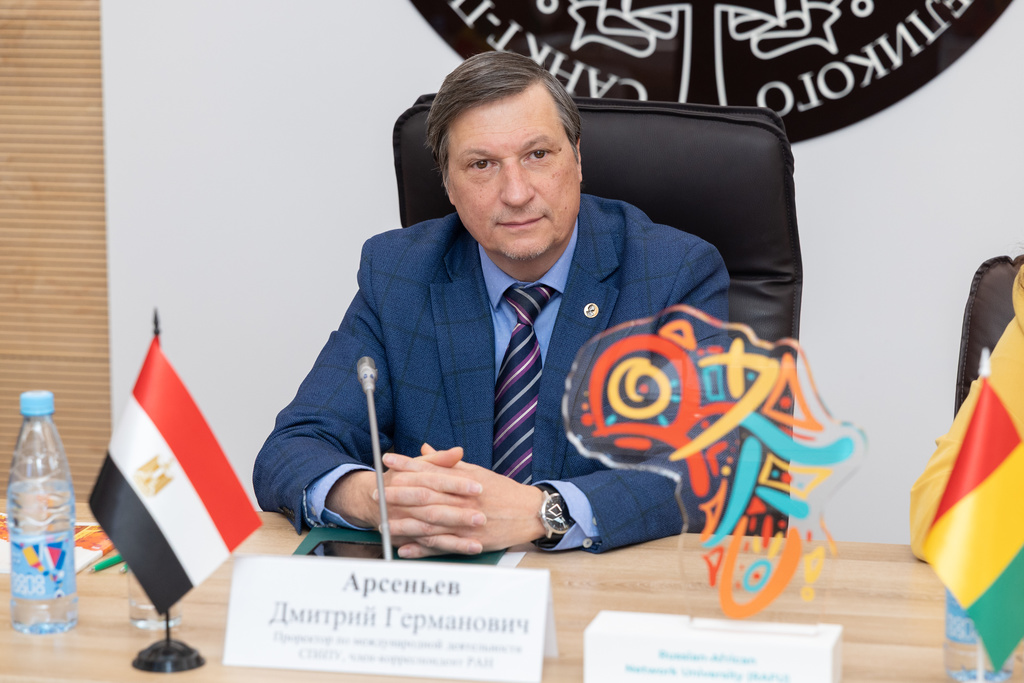
Dmitry Arsenyev, Vice Rector for International Affairs at SPbPU and Corresponding Member of the Russian Academy of Sciences, emphasized the role of RAFU as an effective platform for cooperation in his speech: "RAFU has become recognized internationally as a platform for the development of Russian-African educational, scientific, and cultural interaction. Our task for the future is to enrich the consortium's activities with real projects, joint educational programs, and scientific research."
More than 100 representatives of RAFU member universities from 15 countries took part in the conference. Presentations were made by representatives of universities and scientific institutes from Russia, Algeria, Morocco, Mali, Cameroon, South Africa, Guinea, Senegal, Côte d'Ivoire, Uganda, Nigeria, and other countries. Topics ranged from the development of artificial intelligence, agriculture, and medicine to the social responsibility of universities, the study of the Russian language, and the preservation of cultural heritage.
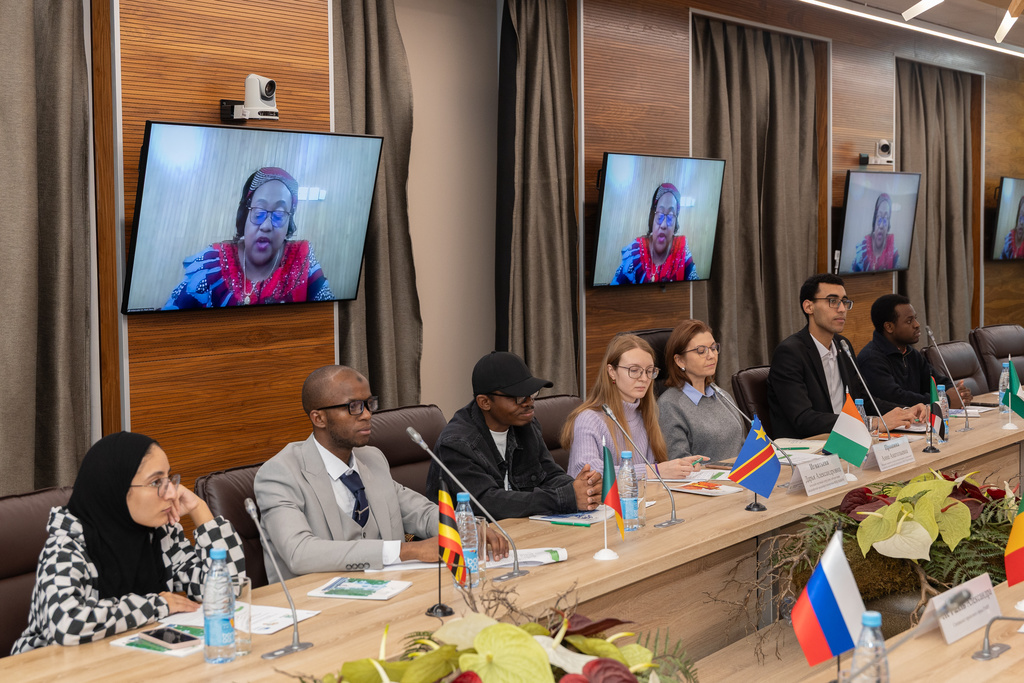 Usman Mariko, Technical Advisor on Administrative and Institutional Issues at the Ministry of Higher Education and Scientific Research of the Republic of Mali, delivered a welcoming speech. He emphasized that Mali ranks first among African countries in terms of the number of universities participating in RAFU (27 universities) and that many graduates of Russian universities work in the ministry itself. Mr. Mariko announced his readiness to send more than 30 Malian students to study in Russia next year, which testifies to the dynamic development of the partnership within the consortium.
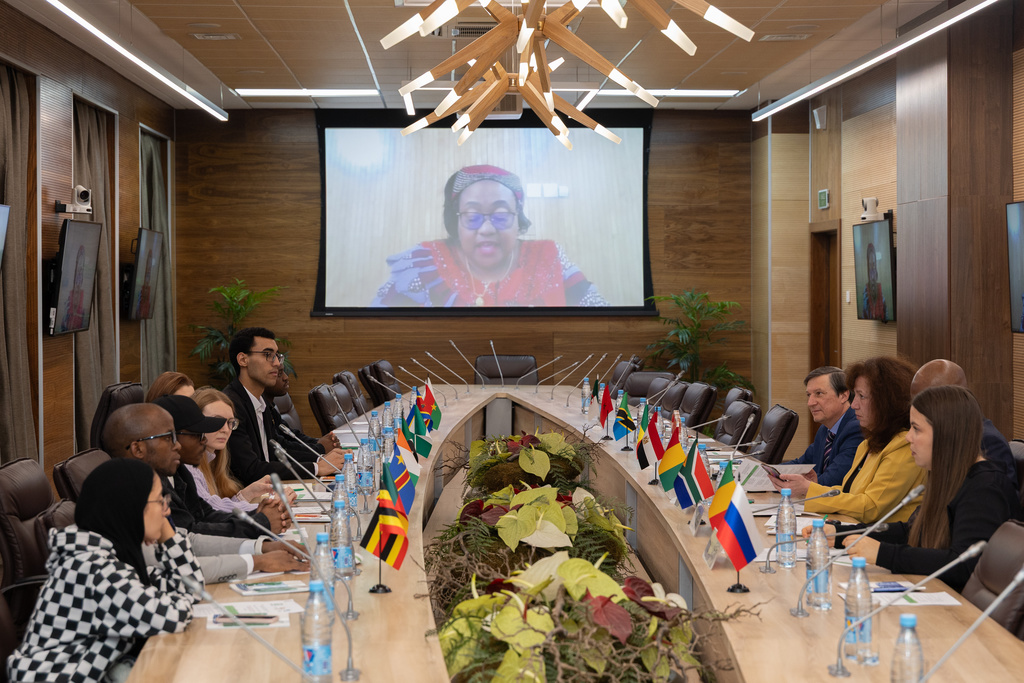 One of the key events of the conference was the speech by Pindi Hazara Chana, Minister of Natural Resources and Tourism of the United Republic of Tanzania, who noted her country's long-standing and strong ties with Russia in the field of education. She cited her own experience of studying at RUDN University in the USSR as an example and reported that today more than 3,000 Tanzanians are graduates of Russian universities, and more than 100 students are currently studying in Russia.
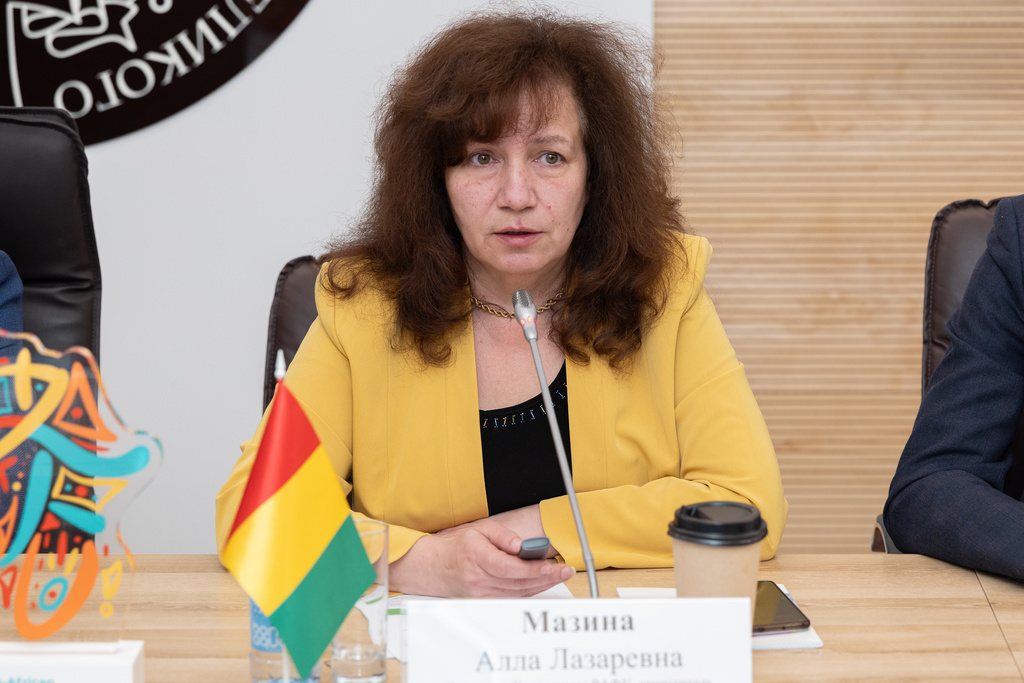
Alla Mazina, secretary of the RAFU Presidium and deputy head of the International Cooperation Department at SPbPU, spoke about the practical work carried out within the consortium. In her report, she highlighted two large-scale projects of the year: “In addition to holding the Summer Multidisciplinary University, which in 2025 brought together 315 students from 37 countries, a key event was the promotion of higher education reform in the Republic of Mali. An expert group from nine Russian universities of the RAFU developed 29 basic educational programs in areas of priority for Mali.”
The third RAFU conference clearly demonstrated that the Russian-African Network University, coordinated by St. Petersburg Polytechnic University, has become a real tool for launching educational and scientific projects that contribute to sustainable development and strengthen partnerships between Russia and African countries.
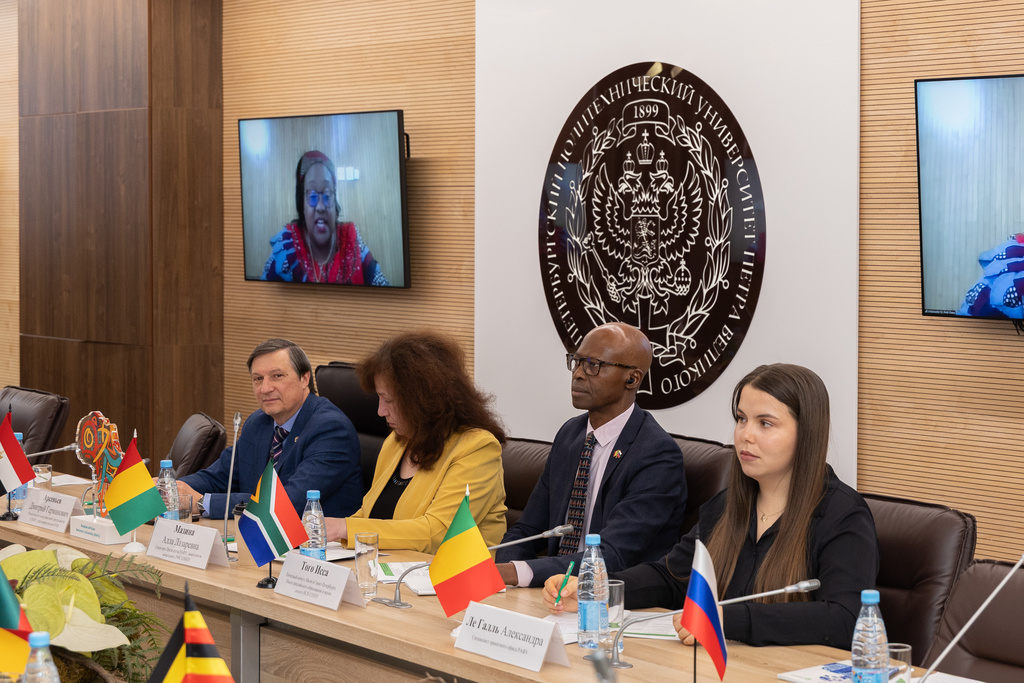
The speakers shared best practices for promoting the Russian language and Russian education in Africa, developing joint educational programs, preparing African applicants for admission to Russian universities, and implementing programs to improve the qualifications of African university teachers. Many of the presentations were practical in nature and presented the results of joint research projects. These are joint scientific projects in areas of importance to African countries, such as geology, construction, meteorology, agriculture, alternative energy, medicine, construction, ecology, and natural resource management.
The conference, which has become a traditional annual event within the framework of RAFU activities, confirmed its importance as a platform for discussing joint projects, scientific research, and the exchange of experience between Russian and African universities.